Join the Fun – How to Start Your Own Collectible Card Game Community
 Steffan
 Starting your own collectible card game CCG community can be a rewarding venture that fosters creativity, camaraderie, and competition among enthusiasts. To begin, it is essential to have a clear vision and purpose for your community. Decide whether you want to focus on an existing game or create your own. If you are working with an established game, familiarize yourself with its rules, lore, and strategies. If creating your own game, outline its mechanics, themes, and artwork, ensuring that it has unique elements to attract players. A compelling backstory and captivating artwork can significantly enhance the game’s appeal. Next, choose a suitable platform for your community. Social media platforms like Facebook, Discord, or Reddit are excellent for connecting with potential players and sharing updates. Establishing a dedicated Discord server can facilitate real-time discussions, game sessions, and announcements. Create engaging content that showcases your game, such as tutorials, lore explanations, and gameplay strategies. Regular updates will keep your audience interested and eager to participate.
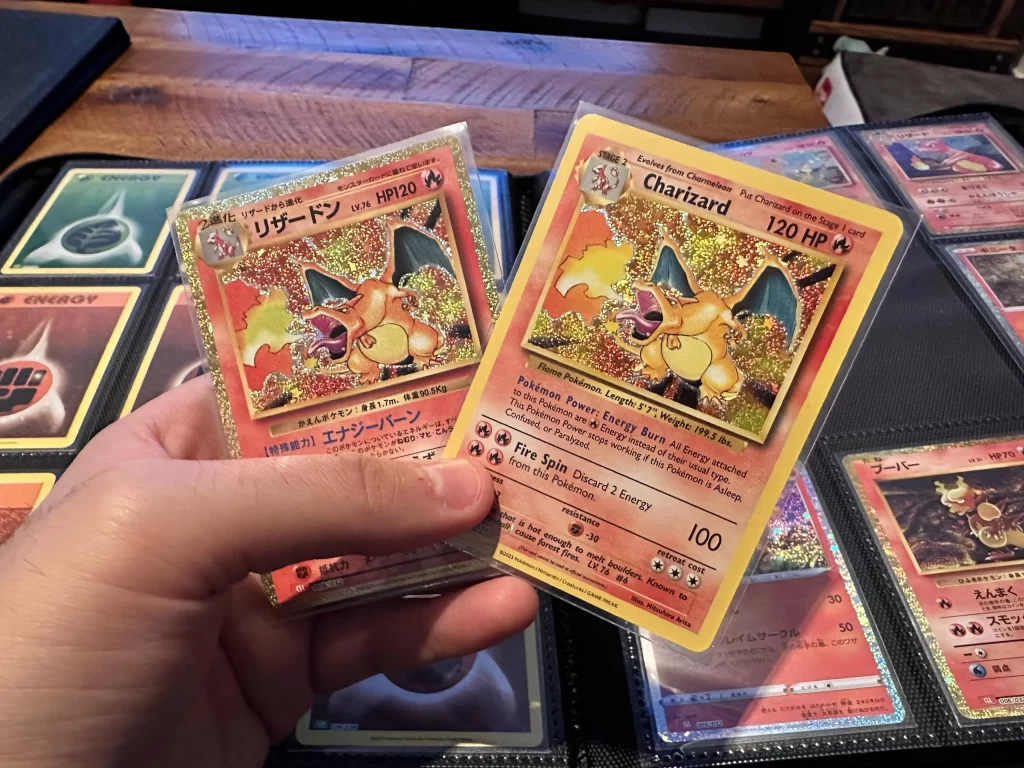
Hosting events is another crucial aspect of building your community. Organize online and in-person events such as tournaments, casual play sessions, and theme nights. Events can help to foster a sense of belonging and encourage players to engage with the game and each other. If you are in a location where in-person gatherings are possible, consider partnering with local game stores or community centers to host events. These venues often attract dedicated players and can help promote your community. Online platforms can facilitate remote play, allowing participants from different regions to join in on the fun. Promoting your community is vital for growth. Utilize social media marketing techniques, such as engaging visuals and targeted advertisements, to reach potential players. Collaborate with content creators or influencers within the gaming community to showcase your game and events. Consider creating a YouTube channel or a Twitch stream dedicated to your game. Live streams and recorded gameplay sessions can draw attention and help new players learn the game.
Engaging with your community is crucial for retention. Create a welcoming environment where players feel comfortable sharing ideas, discussing strategies, and providing feedback. Regularly solicit input from community members on potential rule changes, game expansions, or new card ideas. This approach not only makes players feel valued but can also lead to innovative game developments. As your community grows, consider creating resources to enhance the player experience. This could include a website with rulebooks, deck-building guides, or a glossary of terms used in your game. Offering a platform for players to share their custom cards or decks can foster creativity and increase engagement. In conclusion, building a magic the gathering store san antonio collectible card games community involves establishing a clear vision, utilizing social media for promotion, hosting engaging events, and fostering an inclusive environment for players. By focusing on creativity and collaboration, you can create a thriving community that celebrates the joy of gaming and the bonds it creates among players. Embrace the journey, and remember that the heart of any successful community is its members and their shared passion for the game.