
Kratom and Addiction – Can This Herb Help You Break Free from Unhealthy Habits?
 Steffan
 Kratom, a tropical tree native to Southeast Asia, has recently gained attention for its potential to aid in overcoming addiction. The leaves of the kratom tree contain compounds that can have psychoactive effects, which has led some to explore its use as a tool for breaking free from unhealthy habits. Historically, kratom has been used in traditional medicine to alleviate pain, enhance mood, and increase energy. Its primary active compounds, mitragynine and 7-hydroxymitragynine, interact with opioid receptors in the brain, which can produce effects similar to those of opioids but with less risk of severe addiction. Proponents of kratom suggest that its ability to alleviate withdrawal symptoms and cravings makes it a promising option for those struggling with opioid addiction. Some studies and anecdotal evidence indicate that kratom can help reduce the severity of withdrawal symptoms such as nausea, muscle aches, and insomnia, which are commonly experienced by individuals in recovery from opioids.
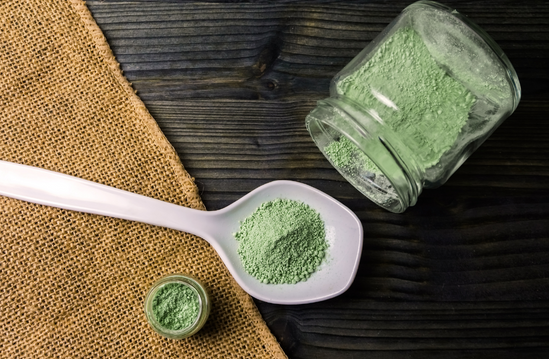
The herb may also provide a mild euphoric effect that can help improve mood and reduce anxiety, potentially making the recovery process more manageable. However, the use of kratom in addiction treatment is not without controversy. The FDA has issued warnings about the potential risks associated with kratom for energy, including the possibility of addiction, psychosis, and even death. The lack of regulation and standardized dosing means that users may be exposed to varying levels of potency, which can complicate its safety profile. Additionally, there is limited clinical research on the long-term effects of kratom use, and its efficacy in treating addiction remains a topic of debate within the medical community. Opponents argue that while kratom might offer temporary relief from withdrawal symptoms, it does not address the underlying psychological and behavioral aspects of addiction.
There are concerns that individuals could replace one dependency with another, as kratom itself has the potential to become habit-forming. Furthermore, the herbal supplement’s legality varies by region, and in some places, it is classified as a controlled substance, complicating its accessibility and use. In conclusion, while kratom presents a potentially intriguing option for those seeking alternatives to traditional addiction treatments, its role in recovery is complex and requires further investigation. The herb’s effects on addiction and its long-term safety need to be studied more rigorously to understand its true potential and limitations. As with any treatment, individuals considering kratom for addiction should consult with healthcare professionals to weigh the benefits and risks and to ensure a comprehensive approach to their recovery.



 Apparently perhaps the most posed inquiry seen over and over. Imminent MT-2 clients should be all around read on the subject before melanotan peptide trial and error. Brings about terms of MT-2 use shifts from one individual to another. A few people use melanotan peptides as they are exceptionally lighter looking and need amount and proclivity to alpha melanocyte invigorating chemical a-MSH. Others use effective melanotan peptide MT-2 to scale back bright radiation simultaneously accomplishing a dim sparkling tone – intensifying their as of now melanin canny melanocytes.